Training and Mentoring
Education
Education at NEXGEM spans project-based mentoring, formal coursework, internship programs, and academic exchange. This page highlights how the lab supports students as they learn to connect AI, pathology, and translational cancer research in practice.
Programs
Student research and mentoring programs
Representative education programs that combine independent exploration, applied research training, and collaborative mentorship.
2026
2026 Program
URP: pathoCellSAE
An undergraduate research experience focused on learning how pathology-informed representation learning can support cancer-related data interpretation.
2026 cohort
Student research
Pathology AI
Mentored project
2026 Program
Co-deep Learning: Sarcoma
A collaborative student project that introduces learners to clinically motivated AI questions through sarcoma-focused data interpretation and model thinking.
2026 cohort
Collaborative research
Sarcoma context
AI training

Seasonal Program
2026 Winter internship program
A winter training program designed to immerse students in the lab's research workflow, computational environment, and interdisciplinary culture.
Winter 2026
Research exposure
Lab immersion
Internship training

Seasonal Program
2026 Summer internship program
A summer immersion program (June 15 - August 28, 2026) that placed students inside the lab's day-to-day research workflow, computational environment, and interdisciplinary culture.
Summer 2026
Research exposure
Lab immersion
Internship training
Lab Workshop
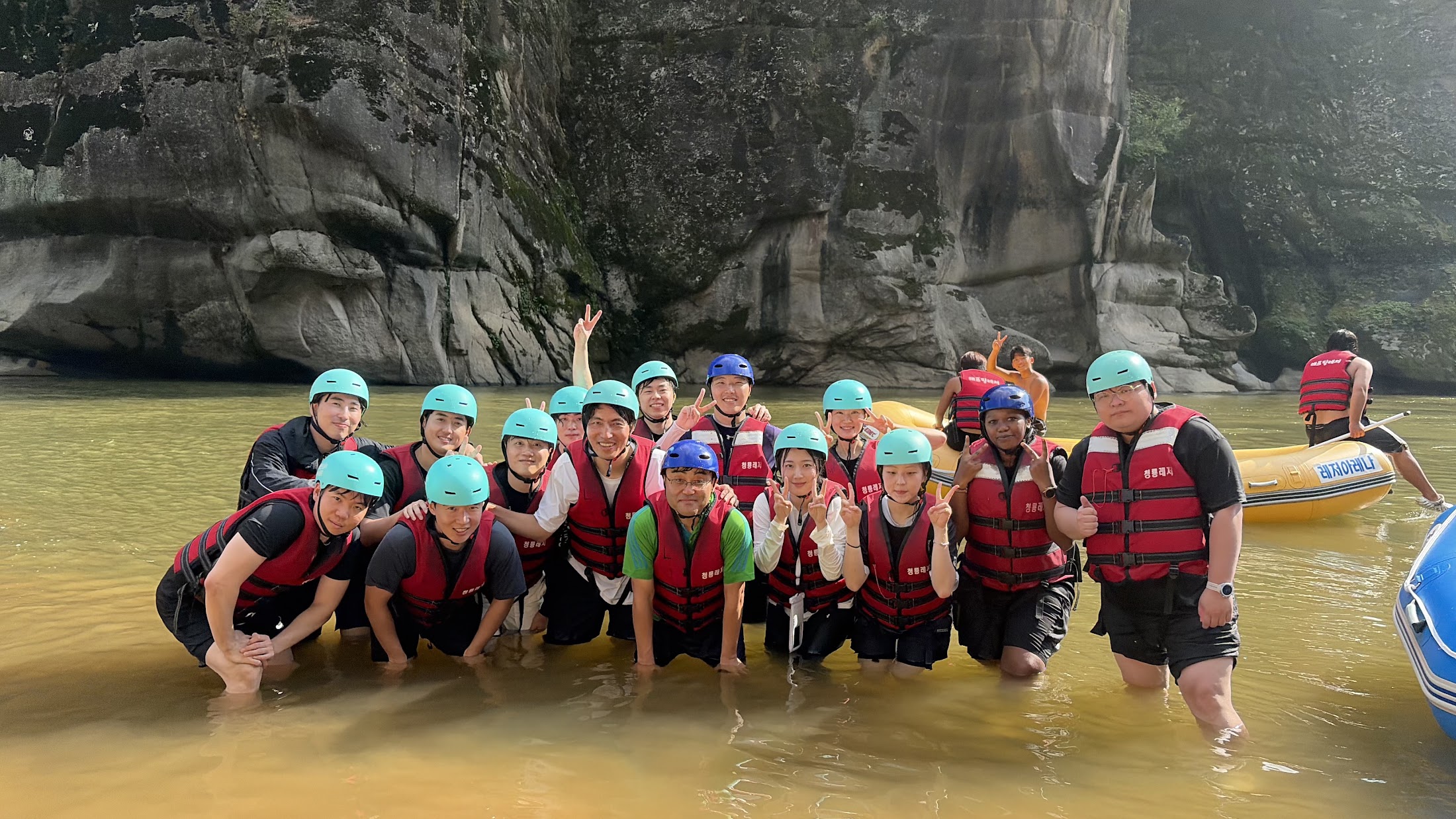
NEXGEM Summer workshop
An annual lab retreat pairing student research presentations with team-building activities, including rafting and a barbecue, that strengthens both scientific exchange and lab community.
Summer 2026
Research presentations
Team building
Lab retreat
2023
Independent Study
S.E.L.F. Research Track
Self-directed research experience in the Department of Artificial Intelligence highlighted how students can shape their own questions while receiving structured scientific mentorship.
Self-directed study
AI department
Mentored exploration
Recognition
Student outcomes and awards
Education is not only about participation but also about helping students grow into presenters, contributors, and confident early researchers.
2026
Academic festival
Sung-Ui Academic Festival Best Award in Basic Science
Awarded to Cherin Yoon
This recognition showcases how trainees can grow through focused mentoring, scientific curiosity, and stepwise development of early-stage research ideas.
Best Award
Basic science division
2025
Fellowship
National Research Foundation Ph.D. Fellowship
Awarded to Youngmin Chung
This fellowship recognizes doctoral research promise and supports sustained training at the intersection of AI, bioinformatics, and cancer biology.
NRF Ph.D. Fellowship
Doctoral training
2024
Academic festival
Sung-Ui Academic Festival Grand Prize
Awarded to Dowon Im
This recognition reflects the lab's emphasis on helping trainees turn research learning into clear, competitive academic presentation outcomes.
Grand Prize
Academic festival
Student presentation
Paper award
BIOINFO Best Paper Award
Awarded to Youngmin Chung
Awarded by the Korean Society for Bioinformatics, this prize highlights visible research quality and contribution within the bioinformatics community.
Best Paper Award
KSBI BIOINFO
2022
Scholarship
Kwanjeong Educational Foundation Graduate Scholarship
Awarded to Youngmin Chung
This scholarship recognized academic promise early in graduate training and helped support continued development in computational biomedical research.
Graduate scholarship
Kwanjeong Foundation
Teaching
Courses and classroom engagement
Formal teaching activities connect the lab's research themes with broader educational audiences across biomedical and early-stage university learning.
2025

Course
MED7005 AI and Data Science for Biomedical Research
A course designed to introduce how AI and data science can be applied to biomedical research questions, with emphasis on translational reasoning and practical interpretation.
Biomedical AI
Data science
Translational perspective
Seminar
Freshman Seminar
An introductory seminar experience that helps early-stage students connect research curiosity with real scientific problems, interdisciplinary thinking, and lab-based career pathways.
Research mindset
Early exposure
Interdisciplinary learning
Academic Visits
Exposure beyond the lab
Visits to leading institutions help students and trainees understand how their work fits into wider research ecosystems and international collaboration.
2026

Visit
Harvard research visit
The Harvard visit offered a chance to engage with a leading research environment and to place the lab's education and research activities within a broader global context.
International exposure
Research culture
Academic exchange
2025

Visit
University of Michigan visit
The Michigan visit emphasized collaborative thinking and showed how education, research training, and institutional partnership can reinforce one another.
Collaboration
Research exchange
Training perspective
Growing archive
The education archive will continue to expand
This page is set up to grow with additional student projects, course snapshots, program photos, and mentoring outcomes as the lab's educational activities continue.